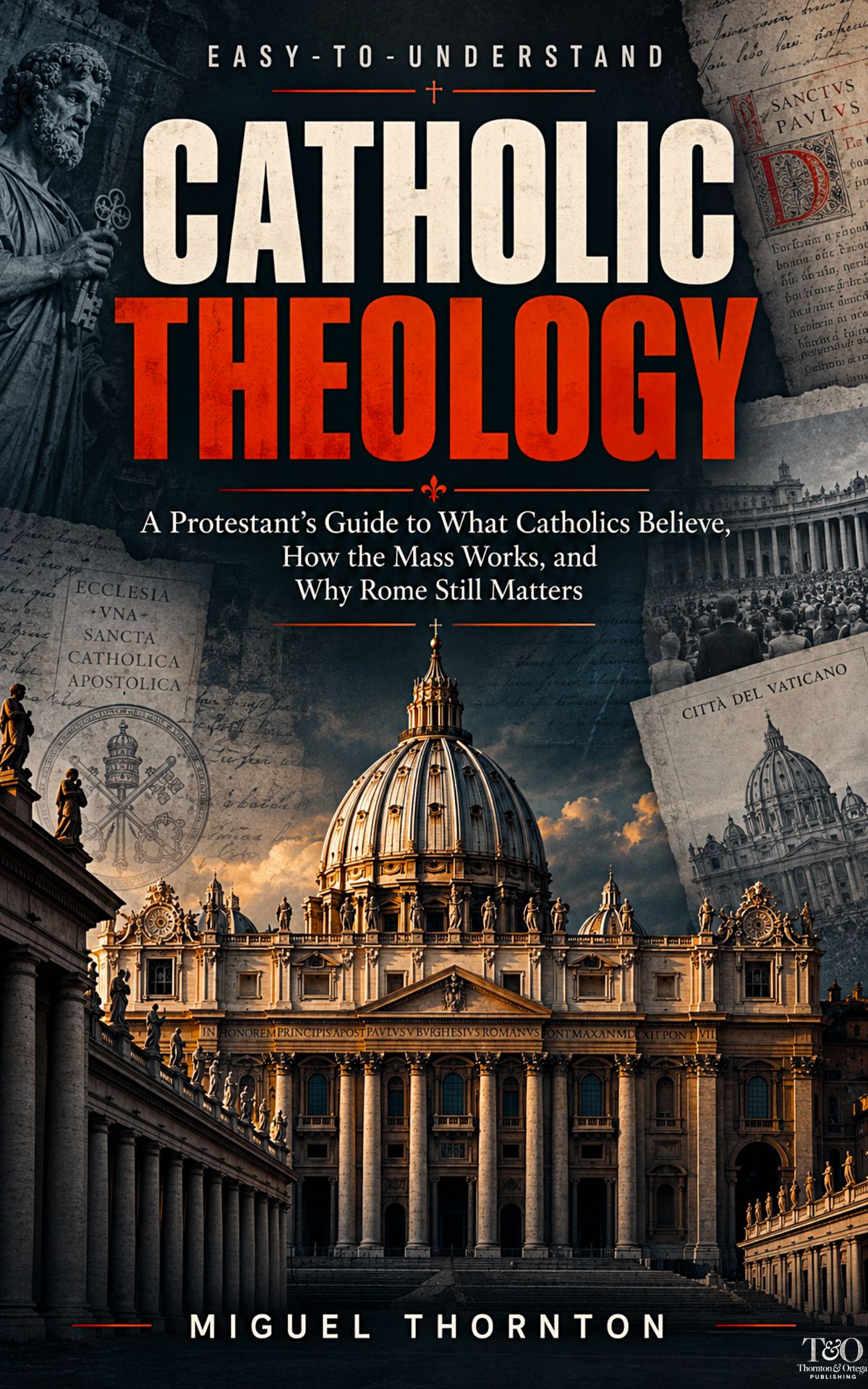
Easy-to-Understand Catholic Theology
A Protestant's guide to what Catholics believe, how the Mass works and why Rome still matters
14 chapters · 115 pages · EPUB & PDF
$6.99
EPUB + PDF · instant download
- Secure payment by Stripe
- Instant download
- 14-day refund before download
EPUB + PDF · works on any device · no DRM
Paperback · only on Amazon (opens in a new tab)In our reading path for Protestants: Go deeper. See the full path
About this book
Many Protestants grew up hearing three things about Catholics: the pope cannot be wrong, the Mass sacrifices Christ again every Sunday, and Mary receives worship that belongs to God alone. On each count, the Church’s own teaching says something else.
This book sets out Catholic belief as Catholics understand it, for Protestant readers, without asking anyone to agree. Every chapter opens with a common belief about Catholics, asks why so many people hold it, and then tests it against the sources.
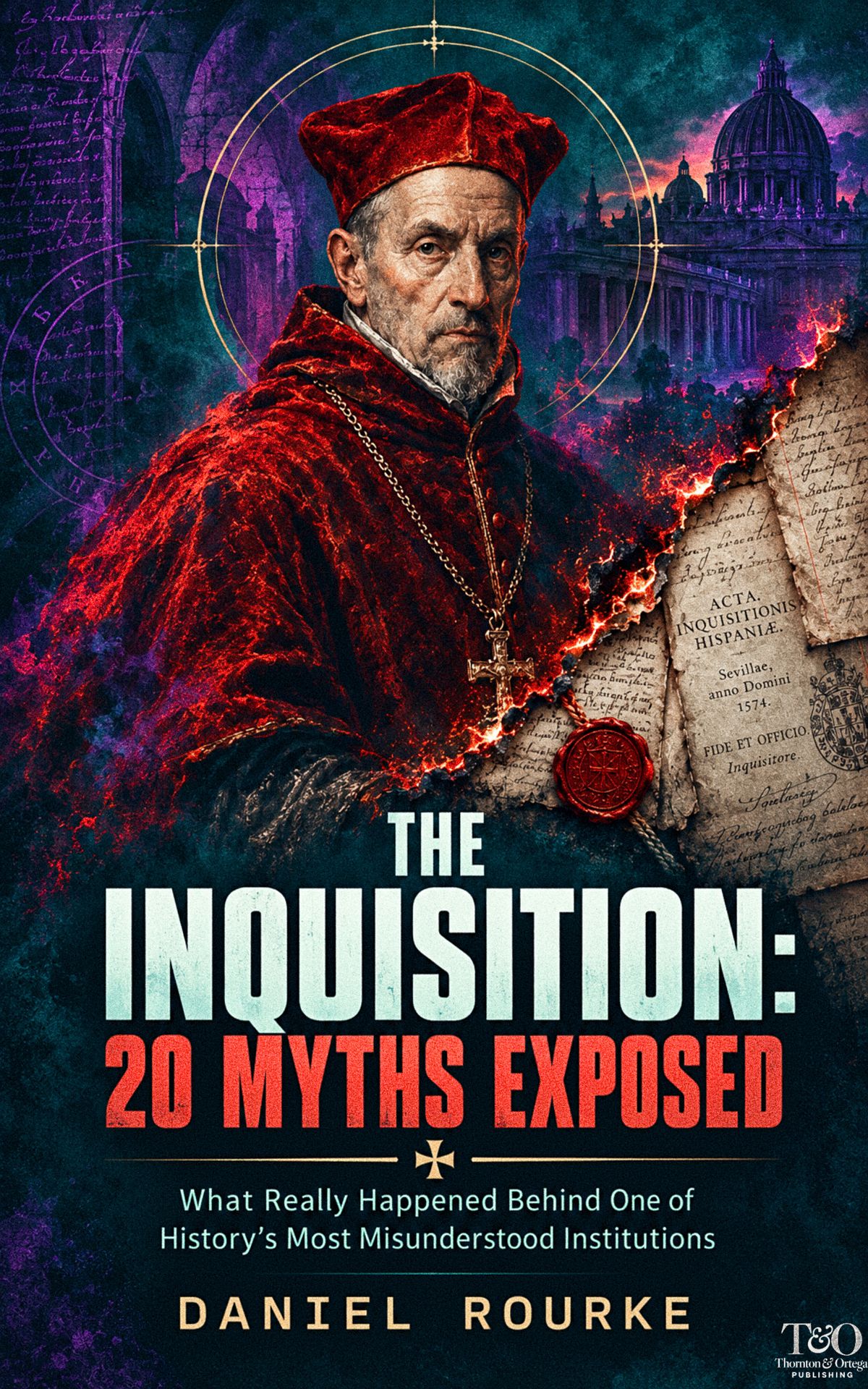
You learn that infallibility is a narrow claim: popes have rarely defined doctrine solemnly without a council, and the two clearest modern cases, in 1854 and 1950, followed long consultation with bishops worldwide. To the charge of re-sacrifice, the Council of Trent answered that the Mass is the same sacrifice as Calvary, with the same victim, offered in a different manner. And Catholics separate the adoration owed to God from the honor given to Mary and the saints, using “pray” in its older English sense of “ask.”
When a Catholic friend calls the Mass a sacrifice or asks Mary to pray for her, you will know what she means, and where your disagreement, if any, actually lies.
Questions about this book
Does the book explain the difference between Catholics and Protestants on faith and works?
Yes. A full chapter contrasts Catholic and Protestant views of justification, reads Paul’s “works of the law” beside James 2:24, and covers the 1999 Joint Declaration signed by the Catholic Church and the Lutheran World Federation.
Where do the book’s facts and quotations come from?
Each chapter ends with a source list: Council of Trent and Vatican II documents, early writers such as Irenaeus and Augustine, and modern historians. Protestant sources appear too, including Luther, Calvin, and Mark Noll. Scripture is quoted from the ESV.
Does the book discuss the uncomfortable parts of Catholic history?
Yes. It retells the Galileo affair from 1616 to 1633 and addresses the clergy abuse crisis, citing the 2002 Boston Globe investigation, the John Jay College study, and the 2018 Pennsylvania grand jury report.
Reader reviews
No reviews yet.